Child Anxiety Therapists in Hinsdale, IL
Play therapy, CBT, and evidence-based anxiety treatment for kids ages 2-12. New clients often start within one week.
Quick Answers About Child Anxiety Therapy
The questions parents ask us most, answered honestly — what it costs, how insurance works, how soon you can start, and what actually happens in the room.
Will therapy actually help my anxious child?
Yes, and usually sooner than parents expect. Childhood anxiety is one of the most treatable concerns we see, partly because children's brains are still actively learning what is and isn't dangerous.
Most parents notice the change in a specific moment first — a drop-off that doesn't end in tears, a night your child falls asleep on their own — before they notice the anxiety itself getting smaller. That's the normal order, and it's the first real sign therapy is working.
How soon can we get in?
Most families start within about a week. You fill out the appointment form, our intake coordinator calls you for a short phone screening, and then we schedule your parent consultation.
If we're not the right fit for your child, we'll tell you on that call rather than book you in and find out later.
Should we see a therapist or a child psychologist?
For treating anxiety, a licensed therapist is who you want. Psychologists are trained to do formal psychological testing and diagnosis; licensed clinical therapists are trained to do the treatment itself.
Our team is made up of licensed clinical professional counselors, clinical social workers, and marriage and family therapists, several holding advanced play therapy credentials. If it turns out your child needs formal testing, we'll tell you and point you toward evaluators we trust.
Do you take insurance?
We don't bill insurance directly. We're an out-of-network practice, and we can provide a superbill on request — an itemized receipt with the codes your insurer needs — which you submit yourself for out-of-network reimbursement.
What you get back depends on your plan's out-of-network benefit, so it's worth calling the number on your insurance card and asking before you begin. HSA and FSA cards are accepted here. A reduced fee is also available to families who meet certain income criteria, through a short application we're glad to walk you through.
What does anxiety therapy cost?
The initial parent consultation, which covers intake and treatment planning, is $200 to $275. Individual child or family therapy sessions run 45 to 55 minutes and cost $160 to $225.
We accept cash, check, Visa, MasterCard, and HSA or FSA cards. If cost is the thing standing in your way, mention it on the phone screening — a reduced fee is available to families who qualify.
What ages do you work with?
Our primary focus is children ages 2 through 12. We do see adolescents, and our intake coordinator will tell you honestly on the phone screening whether we're the right fit for an older teen.
What happens at the first appointment?
The first appointment is a parent consultation, and your child doesn't attend. It's you and the therapist, working through what's happening at home, at school, at bedtime, and in the moments that have started to feel impossible.
By the end you'll have a clearer picture of what's driving your child's anxiety and a plan for what comes next. Children do better when the adults have already worked out the direction before the child walks in.
Does my child have to talk about their anxiety?
No. Most young children can't put worry into words, and pressing them to explain it usually makes the anxiety worse rather than better.
We work through play, which is how children naturally process things that are too big to say out loud. Older kids who do want to talk are welcome to, and we follow their lead.
What if my child refuses to come?
It happens less often than parents expect, and we have a process for it that works well. Because the first appointment is with you anyway, there's no pressure on your child before anyone has met them.
We coach you on how to introduce therapy, what to say and what to avoid saying, and in our experience that's usually enough. Reluctance is almost always the anxiety talking rather than a decision your child has made.
How to Introduce Therapy → a short guide on what to say to your child before the first appointment.
What should I ask on the first call?
Ask how much experience they have with anxiety specifically, what a typical session looks like for a child your child's age, how they'll involve you as a parent, and how you'll know it's working.
Any good therapist will welcome those questions. If asking them makes someone defensive, that tells you something useful.
How Anxiety Therapy for Kids Actually Works
You cannot talk a seven-year-old out of a fear. What you can do is give them a safe place to meet it, in small pieces, until it stops being the biggest thing in the room.
Gradual exposure, through play
When a child is afraid of something — the dark, a dog, being away from you, walking into a classroom — avoiding it makes the fear grow. What shrinks it is careful, gradual contact with the feared thing, at a pace the child can actually tolerate.
In adult therapy that’s called exposure. With children we usually do it through play, because play is how kids approach hard things safely. Our playroom holds a sand tray, a dollhouse, puppets, art supplies, medical toys, and shelves of miniatures representing just about every part of life. A child can build the thing they’re afraid of and work it out at their own size.
A child who panics at bedtime might meet that fear first through a puppet who is scared of the dark. A child who won’t leave your side plays hide and seek, again and again, until being apart and finding each other again stops feeling like a risk.
That is what play therapy is doing. It isn’t just playing.
When anxiety looks like anger
A lot of parents call us about an angry child. Sometimes what they actually have is an anxious one. When a kiddo feels threatened and can’t say so, the nervous system reaches for fight before it reaches for words. Read more
For older kids, we add the thinking part
Around age eight, most children can start to notice their own thoughts. That’s when CBT earns its place — catching the thought underneath the feeling and testing it against what actually happens. Most of our therapists use it alongside play, not instead of it.
We work with parents too
Your child spends an hour a week with us and the rest of the week with you. So we equip you with tools to support your kiddo during the week. Parents tell us the change shows up in two places at once: in their child, and in their own confidence.

Meet our awesome child anxiety therapists
The people your child will actually sit with. Warm, playful, and trained specifically in childhood anxiety.
How We Choose an Approach
How we actually work. No good therapist picks one method and sticks to it. Your child’s therapist will blend approaches and shift them as your child changes. A session might open with play, move into a CBT skill, and close with a parent check-in.
What follows shows what each approach is best at, and the ages it usually fits. It is not a menu you have to choose from. Your parent consultation is where we work out the right mix.
Play therapy
Children show what they can’t yet say, through toys, sand, and art.
Kids who can’t put worry into words yet. It is also how we do gradual exposure, letting a child approach the feared thing at a pace they can actually tolerate.
CBT
Noticing anxious thoughts, then testing whether they are actually true.
Verbal kids, worry loops, perfectionism.
TF-CBT
The same skills, built around one frightening memory.
Anxiety following a frightening event.
Theraplay
Short, structured play activities with a parent in the room.
Separation anxiety, attachment-driven worry.
Circle of Security
A parent program on reading what your child actually needs.
Parent-led work with young anxious kids.
PCIT
A therapist coaches you live while you and your child play.
Behavior plus anxiety in young kids.
EMDR
Guided eye movements or tapping that soften a stuck memory.
Anxiety with a trauma root.
Ages are typical starting points, not cut-offs. Availability reflects our current team.
Getting Started With Anxiety Counseling Is Easy
Every therapist at Kid Matters is trained in treating childhood anxiety.
Schedule An Appointment
Fill out the contact form to get started!
We'll Make a Plan
Together, we'll set goals with parents to move your child forward.
Cultivate Change
Less anxiety. Emotional resilience. Greater self-confidence. We'll help your child get unstuck!
Go Deeper With Childhood Anxiety
select your chapter





CHAPTER 1
GAD in Children: Signs and How We Treat It
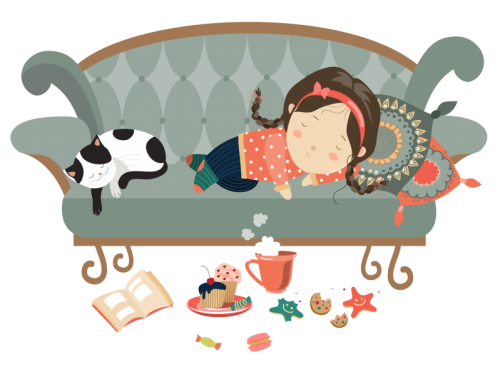
Children who have generalized anxiety disorder, or GAD, feel a high amount of worry, nervousness, and fear.
This typically shows up as physical, emotional, and behavioral symptoms.
Their anxiety is focused on a number of different things and is severe enough to significantly hurt their ability to thrive in relationships, school work, or other activities.
Signs of Generalized Anxiety Disorder
Physical Signs

Your child may have:
- muscle tension,
- headaches,
- dizziness,
- nausea,
- diarrhea or stomach aches,
- be restless or easily startled,
- become tired easily
- have trouble relaxing and sleeping.
Emotional Signs

Your child may be worried about:
- their grades in school,
- being judged in social contexts,
- getting sick or hurt,
- losing a loved one, or
- be a perfectionist.
For these children, the worries they have are not proportionate to reality and they feel out of control of their worries.
Behavioral Signs
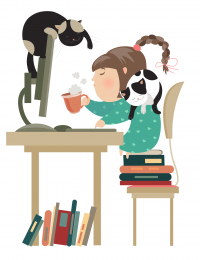
He or she may avoid age appropriate activities, not be able to concentrate on tasks, or become easily frustrated or oppositional as a result of their worries.
CHAPTER 2
Panic Attacks in Children: Signs and Treatment
A panic attack is a sudden feeling of fear and anxiety that is very intense that takes several minutes to subside.
Attacks could occur at various rates such as one time per week for several months or every day for a couple of weeks followed by none for many weeks.
Children with panic disorder experience recurrent panic attacks that happen unexpectedly and are worried they will have more panic attacks or change their behavior related to the attacks such as attempting to avoid them.
An attack could start when a person is anxious or when they are calm, when awake or asleep.
Signs of Panic Disorder / Attacks
Physical Signs
- Heart rate increasing.
- Trembling or numbness.
- Shallow breaths or feelings of choking.
- Feeling nauseous or dizzy.
- Feeling hot and cold alternately.
- Feeling detached from yourself.
- Feeling like you will die.
Common Worries
Worries people have about anticipating a panic attack include peers mistaking symptoms for other life-threatening emergencies, embarrassment about showing symptoms in public, and fear that they are “crazy” or out of control.
More on Panic Disorder
According to the CDC via National Institute of Mental Health (NIMH), 0.4% of children ages 8-15 will have a diagnosis of a panic disorder in any given 12-month period. (SOURCE)
According to the DSM-5, Native Americans have the highest prevalence rates of panic disorder followed by non-Hispanic whites and Hispanics, African Americans, Caribbean blacks, and Asian Americans report much lower rates of panic disorder (2013, p. 210). Although the median age of symptom onset is 20-24 years, some cases do begin in childhood (p. 210). Despite the uncommon diagnosis in childhood, many who have this disorder as adults recall “fear spells” during their childhood years (p. 210).
CHAPTER 3
Separation Anxiety: Signs and How Therapy Helps
Separation anxiety disorder is diagnosed when a child has anxiety about leaving a primary caregiver that is beyond what is developmentally expected at the child’s age.
With these children, excessive fear and symptoms related to separation from a caregiver last more than four weeks.
This condition often starts after a major life event that is stressful for the child such as a death in the family or a move to a new place.
Signs of Separation Anxiety Disorder
Physical & Emotional Signs
- Excessive anxiety and physical symptoms (like headaches and stomach aches or vomiting) when thinking about or actually going through separation.
- Worrying about an event causing separation such as getting lost or a caregiver dying.
- Fear of being alone or leaving the house, refusing to sleep away from caregivers, and having nightmares about separation.
- These symptoms must be severe enough that the child’s relationships, school work, or other daily activities are significantly impacted.
Behavioral Signs
This may show in your child as withdrawal, anger or aggression toward the person causing separation, or a “demanding” personality in need of a lot of extra support and attention.
According to the DSM-5, approximately 4% of children in the US have separation anxiety disorder symptoms within a 12 month period, and it is the most common anxiety disorder for children 12 years and younger (2013, p. 192).
Signs of Social Anxiety Disorder
Physical & Emotional Signs
- Your child may become fearful while thinking about or being in social situations,
- Avoiding social situations,
- Fear of doing something socially inappropriate that will make others judge them.
Behavioral Signs
The fear and anxiety may show up behaviorally in:
- Tantrums, crying.
- Freezing up and not being able to talk.
- Clinging to someone.
- Or shrinking to the floor or chair.
Their symptoms are severe enough that they cause great impact on their relationships, school work, or other daily activities.
The prevalence of social anxiety disorder in children in the US is about the same as in adults according to the DSM-5--about 7% of people (children, adolescents, and adults) experience symptoms in a 12 month period (2013, p. 204).
CHAPTER 5
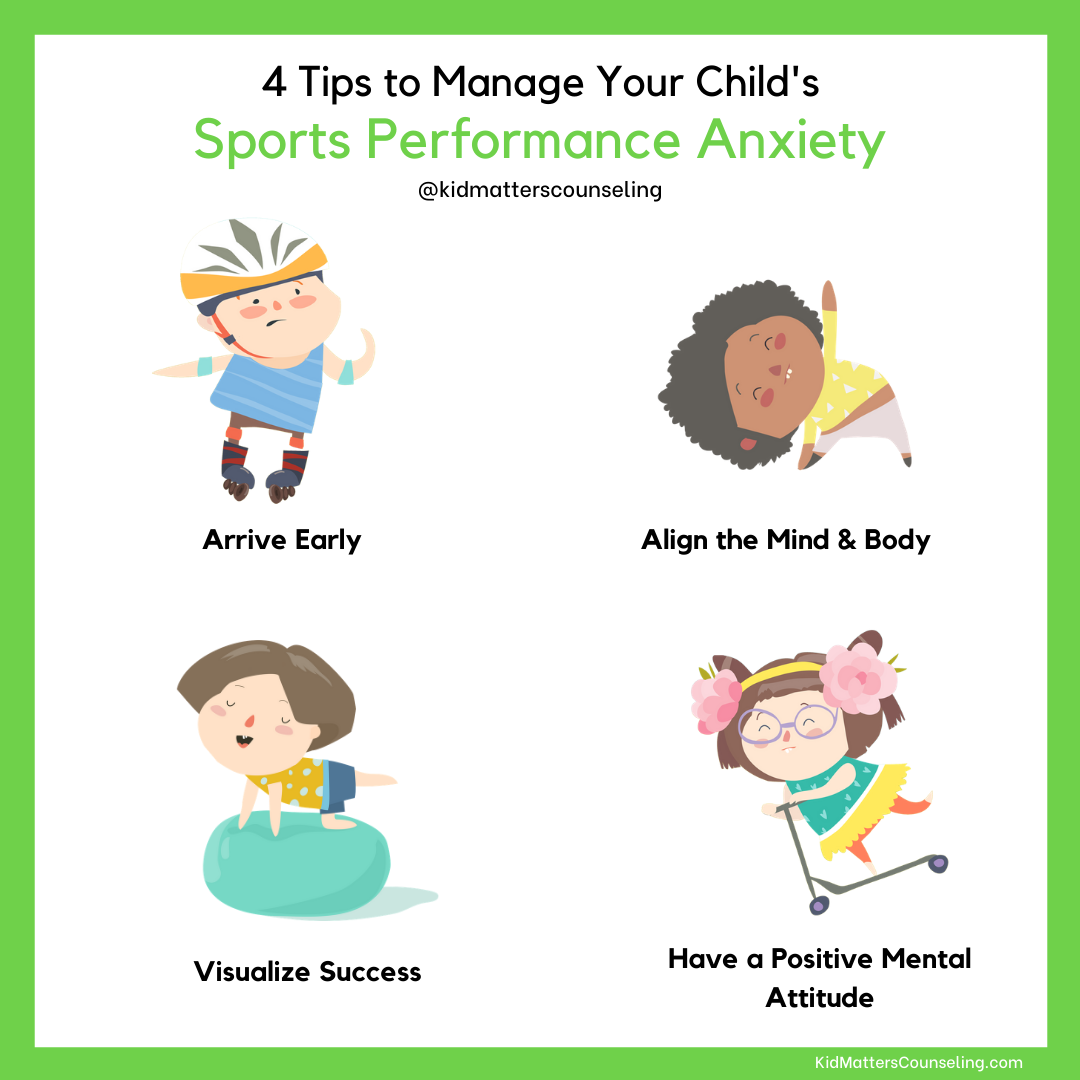
Sports Performance Anxiety: Signs and How We Help
When your child athlete is participating in their sport, they need adrenaline. Adrenaline feels like pre-game jitters and nervousness. This is normal.
However, for some athletes, their pre-game jitters make them feel extra jittery and weak, or their nervousness turns into nausea, interfering with their performance.
Signs of Sports Performance Anxiety
Physical & Emotional Signs
Developing symptoms stemming from anxiety:
- Stomach pains
- Headaches
- Feeling dizzy
- Irritability and trouble sleeping
- Pretending they are sick or injured to avoid participating, going to practices, or games
Behavioral Signs
Changes in thinking or unusual behavior, such as:
-
Negative self-talk
-
Hesitation
-
Decreased confidence during sport
WRAP-UP
If you would like help navigating your child's anxiety, please give us a call. We specialize in helping anxious children.
Kid Matter Articles on Anxiety

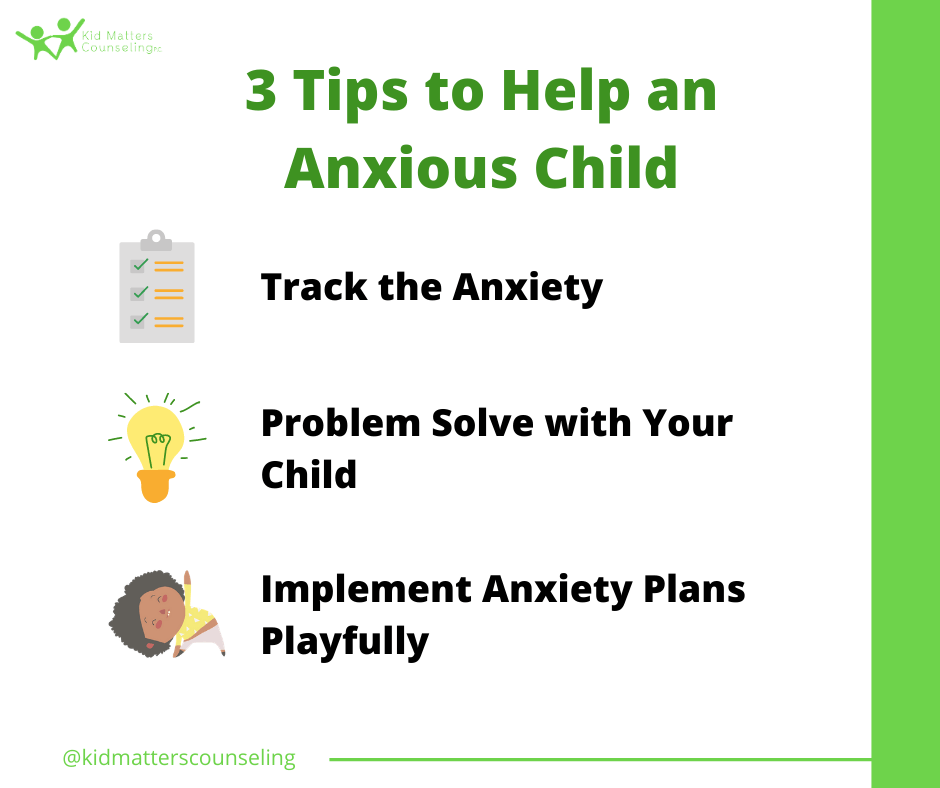
3 Tips to Parent an Anxious Child
If you’re a parent with an anxious child, you may often find yourself feeling helpless or frustrated. Dr. Roth’s shares her 3 Top Tips to parent an anxious child.
![Helping Your Child Through Holiday Transitions [Video]](https://kidmatterscounseling.com/wp-content/uploads/2018/11/Holiday-Transitions-YouTube-Thumbnail-Template-1280x720-Play-Therapy-Toolbox.jpg)
Helping Your Child Through Holiday Transitions [Video]
Susan and Jon walk parents through how to help their child navigate the holiday transitions so everyone can have a fun and safe time together.
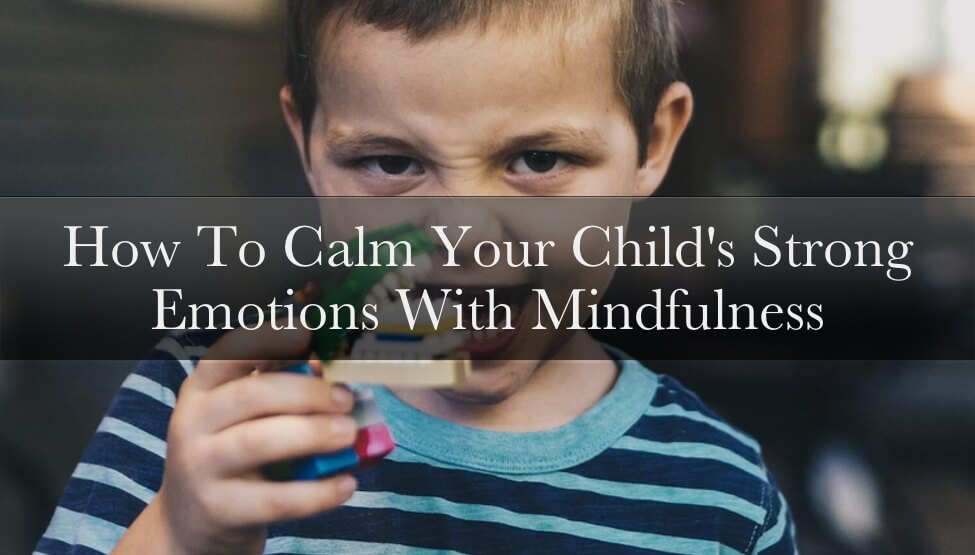
How To Calm Your Child’s Strong Emotions With Mindfulness [VIDEO]
We’ve all heard the numerous benefits of what mindfulness can bring to your life, from increased presence to an inner feeling of peace, mindfulness is a hot topic on the street. In the last few years, mindfulness research has expanded the focus to also include the...
New Clients Call: (855) 586-1802
Current Clients: (855) 543-7687
Ask Us Anything!

We help anxious kids and frustrated parents. We serve Hinsdale & the Western Suburbs of Chicago.
Made with ♥︎ in Hinsdale, Illinois for Chicago
Built By Brand Your Practice.
© 2026 Kid Matters Counseling, P.C.
Kid Matters Counseling, P.C. DISCLAIMER: This website and blog are for informational, educational and general discussion purposes only. It is understood that no guarantee or warranty arises from the information provided, discussed or commented upon in this website and blog nor does it constitute legal or other professional advice on any subject matter. Access to this website and blog is voluntary and at the sole risk of the user. If you think that you have a medical emergency (including clinical), call your doctor or 911 immediately. A licensed medical professional should be consulted for diagnosis and treatment of any and all medical conditions. While the information contained within this website and blog is periodically updated, no guarantee is given that the information provided is correct, complete, and/or up-to-date. See our complete Privacy Policy and Terms of Service.
CHAPTER 4
Social Anxiety in Kids: Signs and Treatment
If a child’s worry is focused on social situations where they may feel evaluated by others, they have social anxiety disorder.
They may be afraid of meeting new people or performing in front of others and the symptoms last for six months or more.
For these children, they have fears about interacting with peers their age, not just with adults.
Children with these symptoms believe their fears are real threats, but in reality, the fears are not proportionate with the situation at hand.